Silicone Straw Cup With Snack Lid for Mess-Free Outings

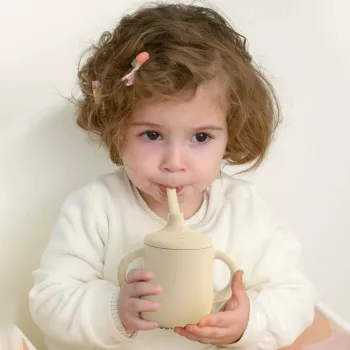
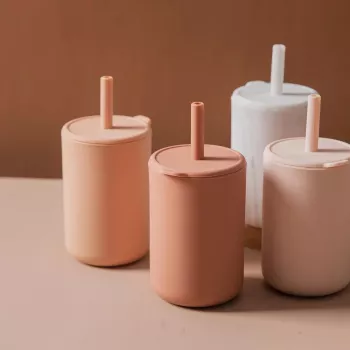
Silicone Baby Straw Cup with Snack Lid: Less Spills, Easier Sips, Happier Snack Time
A straw cup that also carries snacks can simplify outings, car rides, and everyday kitchen routines. When hydration and a small bite live in the same container, it’s easier to move through the day with fewer last-minute add-ons. Below is a practical guide to choosing a silicone straw cup with a snack lid, using it safely, keeping it clean, and building small independence habits that actually stick.
Why a straw cup with a snack lid is useful
A combined sip-and-snack cup is one of those “why didn’t I do this sooner?” items—especially once babies and toddlers want to do things themselves.
- Two essentials in one: Drinks and small snacks travel together, so you’re packing fewer containers.
- Fewer mess moments: Compared with open cups, straw cups typically reduce splashes during playtime, stroller walks, and quick errands.
- Supports independence: Kids can practice controlled sipping and self-serving snacks in small steps.
- Helps routines flow: Sip, snack, and get back to play without constant refills or rummaging in the bag.
What makes silicone a practical choice
Silicone is popular for baby feeding gear because it tends to be comfortable to hold and forgiving in real life.
- Soft, grippy feel: Often easier for small hands to grasp than slick, rigid materials.
- Drop-friendly: Silicone can handle bumps on highchair trays and falls from stroller height better than many hard plastics.
- Built for frequent washing: Many silicone items tolerate regular cleaning and temperature changes (always follow the specific care instructions).
- Fewer “crack points”: A flexible build can reduce the stress fractures that sometimes show up over time in harder materials.
For broader context on food-safe materials and how food-contact items are regulated, the U.S. Food and Drug Administration provides a helpful overview of food contact substances.
Key features to check before buying
Not all straw-and-snack combos work the same. A few small design differences can determine whether it becomes a daily favorite or a “back of the cabinet” item.
- Straw design: Look for a comfortable mouthfeel and a length that reaches the bottom so less liquid gets left behind.
- Snack lid opening: It should be big enough for small hands but not so open that snacks pour out when tipped.
- Seal points: Leaks often start at the lid edge or around the straw port. A snug, consistent fit matters.
- Cup size: Balance what’s manageable for little hands with what you need for typical outings.
- Parts count: Fewer pieces usually means faster cleaning and fewer missing parts.
- Daily routine fit: Consider stroller cup holders, diaper bag pockets, and whether it sits well on a highchair tray.
Quick comparison: straw cup + snack lid vs other options
| Option | Best for | Trade-offs |
|---|---|---|
| Silicone straw cup with snack lid | One-and-done packing for short outings and playdates | More parts than an open cup; needs consistent cleaning |
| Standard straw cup (no snack lid) | Hydration on the go | Still need a separate snack container |
| Snack cup only | Dry snacks during travel | No help with hydration |
| Open training cup | Table practice and supervised mealtimes | Higher spill risk; less travel-friendly |
Age readiness and safe use
Kids develop feeding skills at different speeds, so the safest approach is to combine the product’s age guidance with common-sense supervision.
- Follow the manufacturer’s age guidance: Especially for straw use and small snack handling.
- Supervision matters: Any eating or drinking should be monitored, particularly in strollers or cars.
- Pick age-appropriate snacks: Choose sizes and textures that reduce choking risk.
- No running with a straw: Avoid active play with a straw in the mouth.
- Inspect regularly: Check the straw and lid for tears, looseness, or wear and replace damaged parts promptly.
For a refresher on preventing choking, see guidance from the American Academy of Pediatrics at HealthyChildren.org and the CDC’s overview of choking hazards.
How to use it day to day (simple routines that work)
Consistency is what makes a sip-and-snack cup truly helpful. These small routines can reduce mess while building skills.
Cleaning and care tips that prevent odors and buildup
A simple pick for everyday sipping and snacking
If you want one item that helps cover both hydration and quick bites, the Silicone Baby Straw Cup with Snack Lid keeps drinks and snacks together in a kid-friendly format. It’s especially handy for daycare mornings, playground time, and short errands where packing light matters.
Pairing ideas for smoother outings
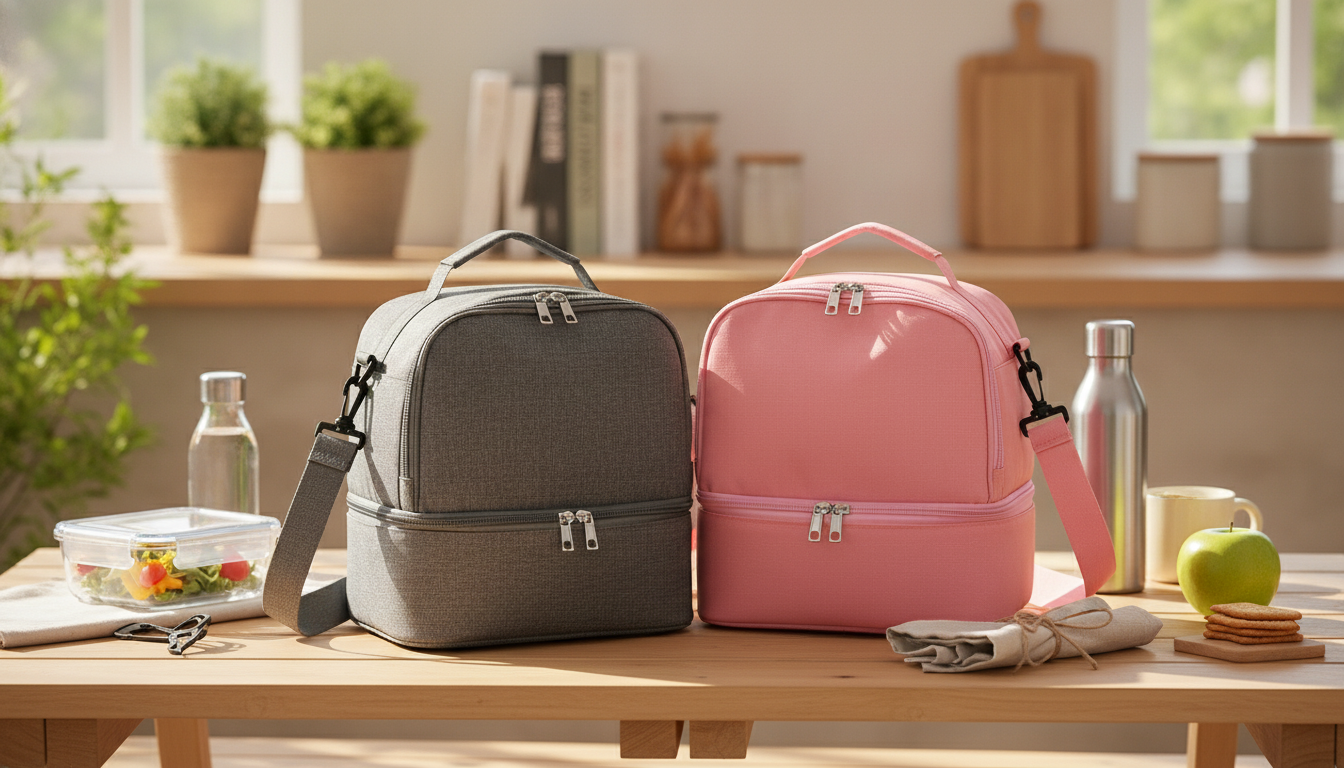
- Keep everything in one place: Pair it with a Double Layer Insulated Lunch Bag so snacks, wipes, and backups don’t get scattered between pockets.
- Pack a small cleanup kit: A spare set of wipes and a small towel cover sticky hands and quick seat cleanups.
- Plan for longer trips: Bring an extra drink option and refill water as needed when you have access.
FAQ
How do you clean a silicone straw cup and straw thoroughly?
Disassemble all parts, rinse promptly, then wash with warm soapy water and use a straw brush to scrub the inside of the straw. Rinse well and air-dry completely before reassembling; check the product care instructions for dishwasher guidance if applicable.
What snacks work best in a snack-lid cup?
Choose age-appropriate, low-mess options like puffs, soft fruit pieces, or small crackers. Avoid choking hazards, overly hard foods, and very sticky snacks that can clog openings or create buildup around the lid.
How can leaks be reduced with a straw cup?
Make sure the lid is seated evenly, don’t overfill, and keep the cup upright in bags when possible. Check the straw port fit and replace worn parts; depending on the design, vigorous shaking or tipping may still cause minor drips.







Leave a comment