Pack Smarter: Double Layer Insulated Lunch Bag Guide
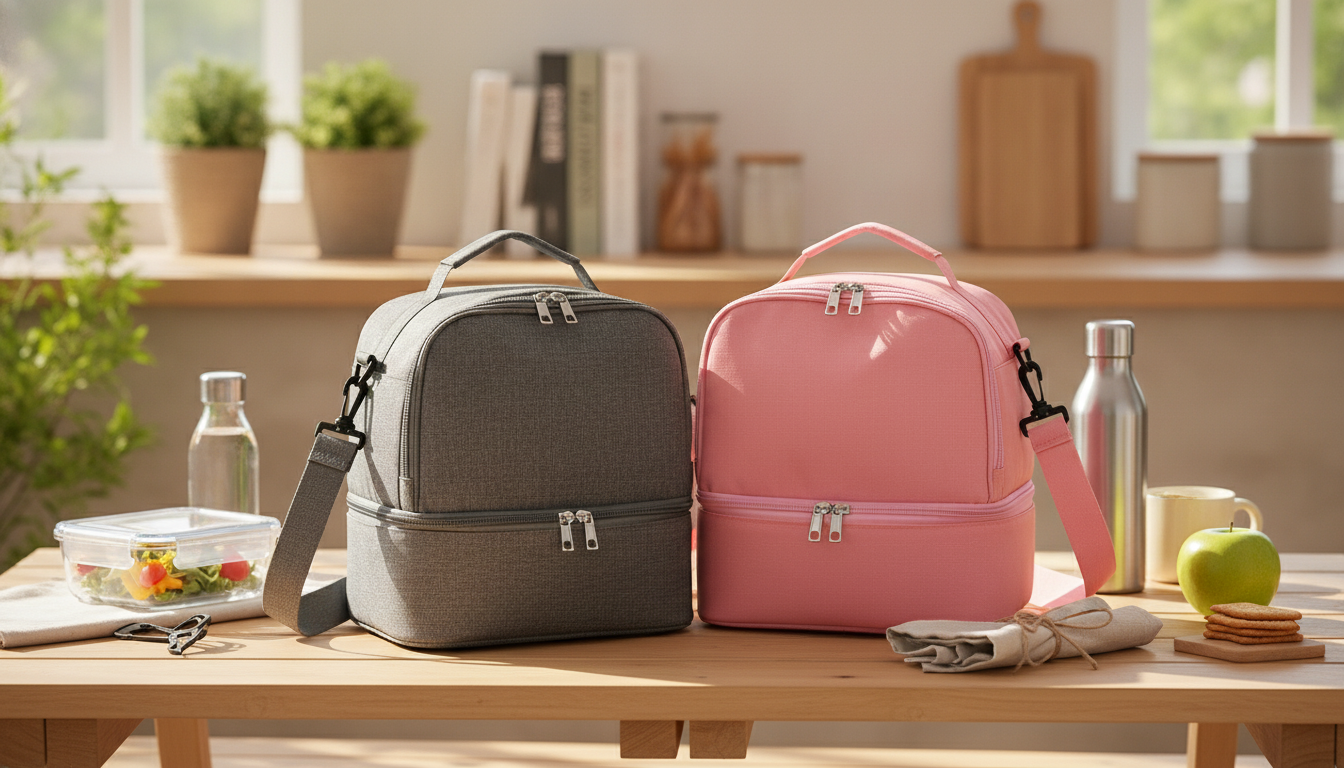
Double Layer Insulated Lunch Bag for Organized Meals on the Go
A double-layer insulated lunch bag keeps meals separated, easy to pack, and more likely to stay at a safe temperature during commutes, school days, and errands. With two compartments, snacks and cold items can stay apart from containers that may leak or warm up, helping lunches arrive in better shape and with less mess.
Why a double-layer design makes packing simpler
Two compartments may sound like a small upgrade, but it changes how lunch holds up between home and lunchtime. Instead of stacking everything into one space, a two-tier layout creates “zones” that protect fragile foods and keep the bag organized.
- Less squishing, fewer spills: Separate compartments help prevent delicate items (fruit, chips, sandwiches) from getting crushed, and reduce the chance that a leak reaches everything else.
- Built-in meal planning: Many people find it easiest to use one layer for the main dish and the other for snacks, utensils, napkins, and an ice pack (or flip it based on what needs the most space).
- Great for multiple small items: For kids’ lunches, daycare meals, or after-school snacks, the extra compartment makes it easier to pack variety without chaos.
- Less “digging,” less warming: When you can grab what you need quickly, the bag stays open for less time—helpful for temperature holding and for keeping everything tidy.
What to look for in everyday insulation and temperature holding
Insulation is only one part of keeping food at a safer temperature. How you pack matters just as much—especially for dairy, meats, and leftovers. Food safety guidance emphasizes minimizing time in the temperature “danger zone.” For a helpful overview, see the USDA’s explanation of the Danger Zone (40 °F to 140 °F) and the CDC’s core steps to clean, separate, cook, and chill.
- Use a cold source when needed: An insulated bag performs best with an ice pack for perishables. Pre-chilling items (and even the bag) can also help.
- Pack in eating order: If the top layer is opened first for snack time, keep the most temperature-sensitive items in the layer that stays closed longer.
- Keep hot foods sealed and separate: For warm meals, use a sealed insulated food jar and avoid letting it sit beside cold perishables.
- Move quickly: Try to go refrigerator-to-bag-to-destination with minimal delays—particularly on warm days or long commutes.
Quick packing guide by food type
| Food type | Best compartment | Add-on | Tip |
|---|---|---|---|
| Sandwiches/wraps | Bottom layer | Small ice pack (optional) | Keep in a container to prevent flattening |
| Fruit/veggies | Top layer | Ice pack (recommended for cut fruit) | Use a leakproof cup for wet fruit |
| Yogurt/cheese | Bottom layer | Ice pack (recommended) | Place near the ice pack for better chilling |
| Chips/crackers | Top layer | None | Keep away from condensation-prone items |
| Hot leftovers | One layer by itself | Insulated food jar | Avoid packing next to cold dairy/meat items |
Double Layer Insulated Lunch Bag: highlights and practical benefits
When the goal is a calmer morning routine and a lunch that still looks appetizing at noon, a two-tier insulated setup can make a noticeable difference.
- Two-tier storage for better organization: Separate layers help keep lunch components sorted so you’re not stacking everything into one pile.
- Supports fresher-tasting meals: Insulated interiors help slow temperature change during typical school, work, and travel-day routines.
- Compact and carryable: A structured lunch bag is easier to fit into backpacks, tuck under a stroller, or place on a car floor without tipping.
- Easy portioning for meal prep: Put meal prep containers in one layer and grab-and-go snacks in the other for faster packing.
If you’re ready to simplify daily packing, explore the Double Layer Insulated Lunch Bag for a practical two-compartment setup designed for everyday use.
How to choose the right size and layout for your routine
The “right” lunch bag size depends less on appetite and more on container shapes. A bag that fits one large bento might not fit several smaller tubs plus a tall bottle—so it helps to think in dimensions, not just volume.
When busy seasons hit—new school schedules, new daycare rooms, new commutes—small systems help. For a supportive reset beyond lunch packing, Calm in the Chaos: A Parent’s Guide to Managing Stress offers practical tools for staying steady through daily pressure.
Cleaning and upkeep for a lunch bag that stays fresh
Smart ways to use two compartments
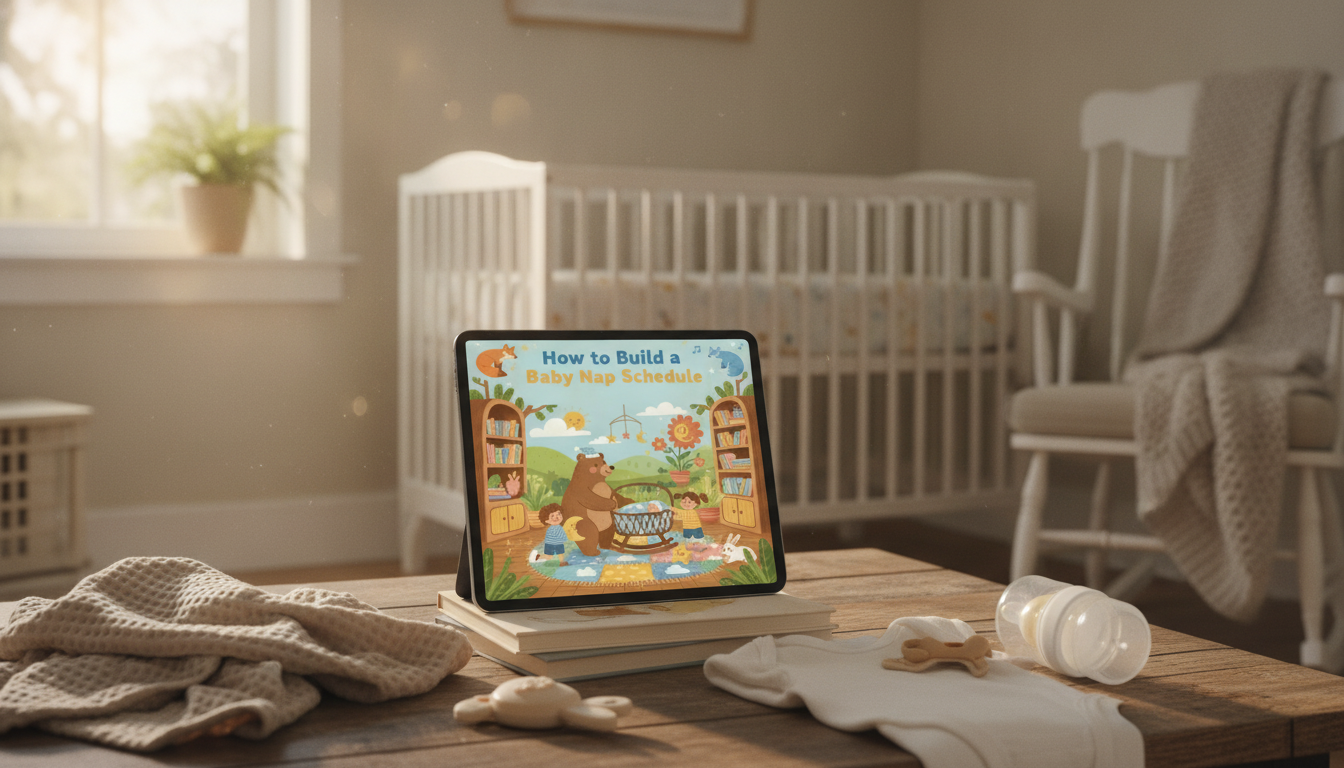
For parents building smoother daily rhythms overall, the How to Build a Baby Nap Schedule download can be a helpful companion to the practical routines that make days feel more predictable.
When an insulated bag needs a little extra help
FAQ
How long will food stay cold in an insulated lunch bag?
It depends on the outside temperature, how often the bag is opened, and whether you use an ice pack. For perishables, pack at least one ice pack and minimize open time to help keep food out of the unsafe temperature range.
Can hot and cold foods be packed in a double-layer lunch bag?
Yes—use a sealed insulated container for hot foods and keep it separated from cold perishables in the other compartment. When possible, dedicate one layer to the hot item so it doesn’t warm the chilled foods.
How should an insulated lunch bag be cleaned to prevent odors?
Wipe the interior regularly, wash with mild soap and warm water as needed, and air-dry completely with the bag open. Storing the bag only when fully dry helps prevent lingering mildew smells.








Leave a comment