Potty Training Boys & Girls: Readiness, Setup, 7-Day Plan
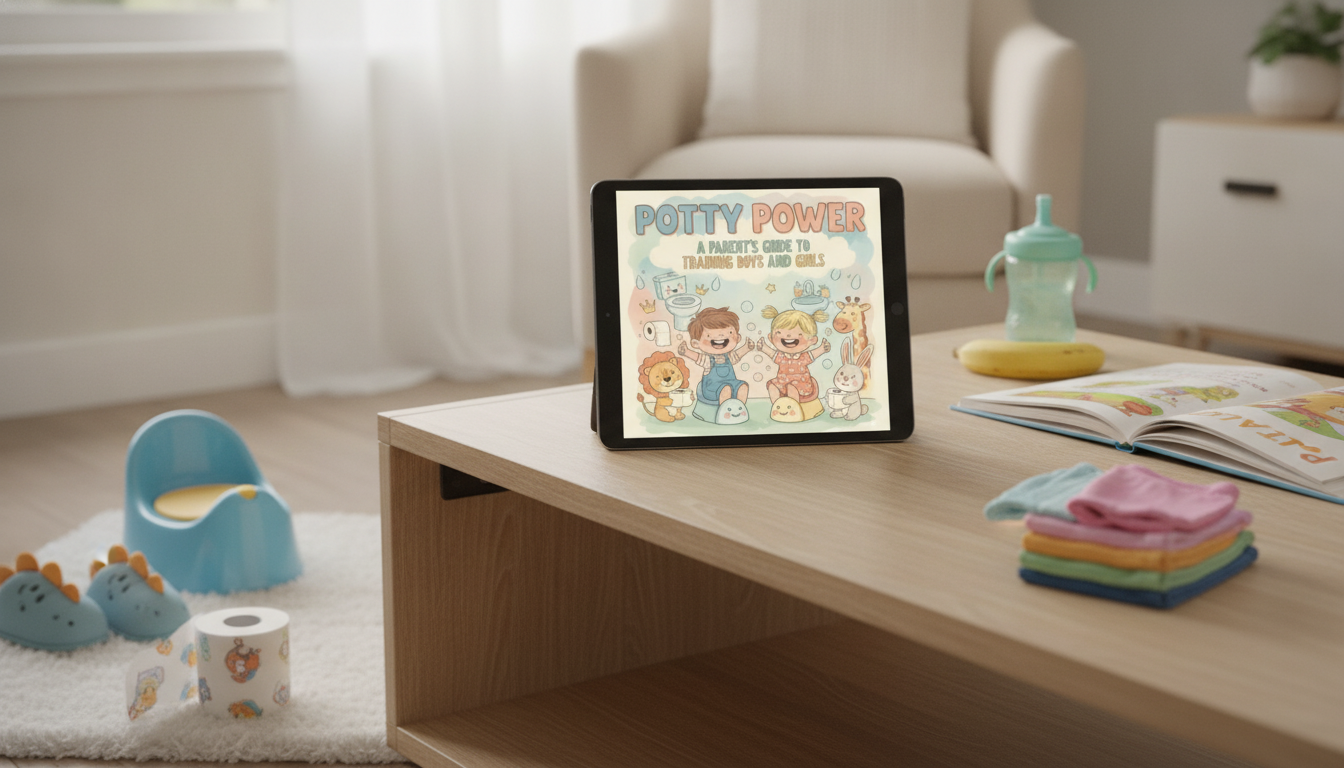
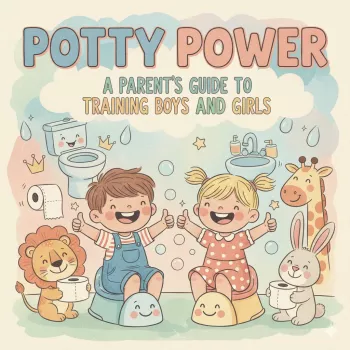
Potty Power: A Parent’s Guide to Training Boys and Girls
Potty training goes smoother with a simple plan, realistic expectations, and strategies that fit a child’s development and temperament. The goal isn’t perfection—it’s helping your child understand the routine, recognize body cues, and build confidence without power struggles. Below you’ll find readiness signs, an easy setup checklist, practical differences that can matter when training boys versus girls, and quick fixes for common hurdles.
Start with readiness (not age)
Many children start somewhere between toddlerhood and preschool years, but the most reliable “green light” is readiness. Starting too early often creates frustration for everyone and can stall progress.
- Look for patterns: longer dry stretches, more predictable bowel movements, and signs your child notices right before peeing or pooping.
- Watch for communication signs: words, gestures, squatting, or hiding before a bowel movement.
- Check physical readiness: walking to the potty, helping pull pants up/down, and sitting for 1–2 minutes.
- Confirm emotional readiness: curiosity about the bathroom, willingness to try, and less resistance to routine changes.
- Know when to pause: if progress stalls for days and stress rises, take a 1–2 week break and restart with fewer expectations.
For additional readiness guidance, the American Academy of Pediatrics offers a helpful overview at HealthyChildren.org.
Set up the environment for quick wins
A smooth setup reduces “friction” (the little obstacles that make kids resist or caregivers rush). Think: easy access, stable footing, and simple steps your child can repeat.
- Choose a setup: a small floor potty for fast access, a seat reducer on the toilet, or both for flexibility.
- Add stability: a sturdy step stool so feet are supported (this helps relax pelvic muscles, especially for poop).
- Create a bathroom station: wipes, spare underwear, easy-on pants, a hamper for accidents, and handwashing supplies.
- Use consistent language: pick 1–2 terms for pee/poop and keep them consistent across caregivers.
- Plan clothing: elastic waistbands are your best friend; skip complicated snaps, belts, and overalls during the first weeks.
If you want a simple, printable-friendly routine with troubleshooting prompts built in, Potty Power: A Parent’s Guide to Training Boys and Girls (Digital Download) is designed to be quick to reference during real-life moments (before outings, after meals, and during regressions).
Boys vs girls: practical differences that matter day to day
Every child is different, and plenty of boys and girls follow the “opposite” pattern. Still, a few practical differences can make daily coaching easier.
- Sitting first often works best for both: it simplifies learning how to release and supports bowel movements; standing can come later for boys once basics are steady.
- Aim and splash control for boys: start with sitting; later add targets (like a small piece of toilet paper) and teach “point down, then shake, then wipe if needed.”
- Wiping basics for girls: teach front-to-back wiping early; model with clothing on or with a doll to keep instruction clear and appropriate.
- Potty placement: boys may do better with a potty nearby during play to reduce last-second running; girls often benefit from a stable stool and seat insert to feel secure.
- Night training is separate: overnight dryness is largely biological; focus on daytime independence first for both.
Quick comparison: early focus areas for boys and girls
| Skill area | Boys (common early focus) | Girls (common early focus) |
|---|---|---|
| Starting position | Sitting to learn release + reduce aiming stress; standing later | Sitting with supported feet and secure seat insert |
| Hygiene | “Shake, then wipe if needed”; handwashing reminders | Front-to-back wiping; handwashing reminders |
| Accident pattern | More “too busy to go” dribbles; rushing can cause misses | More “held too long” accidents; rushing can lead to incomplete wiping |
| Coaching tip | Use neutral, step-by-step prompts; add targets when standing | Use short prompts; practice wiping motion with clothes on first |
A simple 7-day starter plan (adjust to your child)
This starter plan is meant to be repeated. If Day 3 feels like too much, stay there longer. If your child is thriving, keep moving.
For a clinical overview of what to expect (including setbacks), Mayo Clinic’s guidance is a solid reference: Potty training: How to get the job done.
Motivation that builds independence (without bribery battles)
If household stress is running high, a calmer caregiver often leads to a calmer child. Calm in the Chaos: A Parent’s Guide to Managing Stress (Digital Download) offers practical tools for staying steady during the messy middle of learning new routines.
Common hurdles and quick fixes
Make it easier with a step-by-step digital guide
Find it here: Potty Power: A Parent’s Guide to Training Boys and Girls (Digital Download).
FAQ
What age is best to start potty training?
The best time is when readiness signs show up—like longer dry stretches, predictable poops, and communication before going—rather than a specific birthday. If trying leads to rising stress and no progress for several days, pausing for 1–2 weeks often helps.
Should boys learn to pee sitting or standing first?
Sitting first usually makes learning easier because it removes aiming pressure and supports bowel movements too. Once daytime potty use is reliable, standing can be added with simple cues like “point down, then shake,” plus handwashing.
How long does potty training usually take?
Some children make noticeable daytime progress in days to weeks, but setbacks are common and don’t mean failure. Nighttime dryness often takes longer and is frequently developmental, so focusing on daytime independence first tends to keep momentum steady.








Leave a comment