Best First Foods for Babies at 6 Months (Safe & Easy)
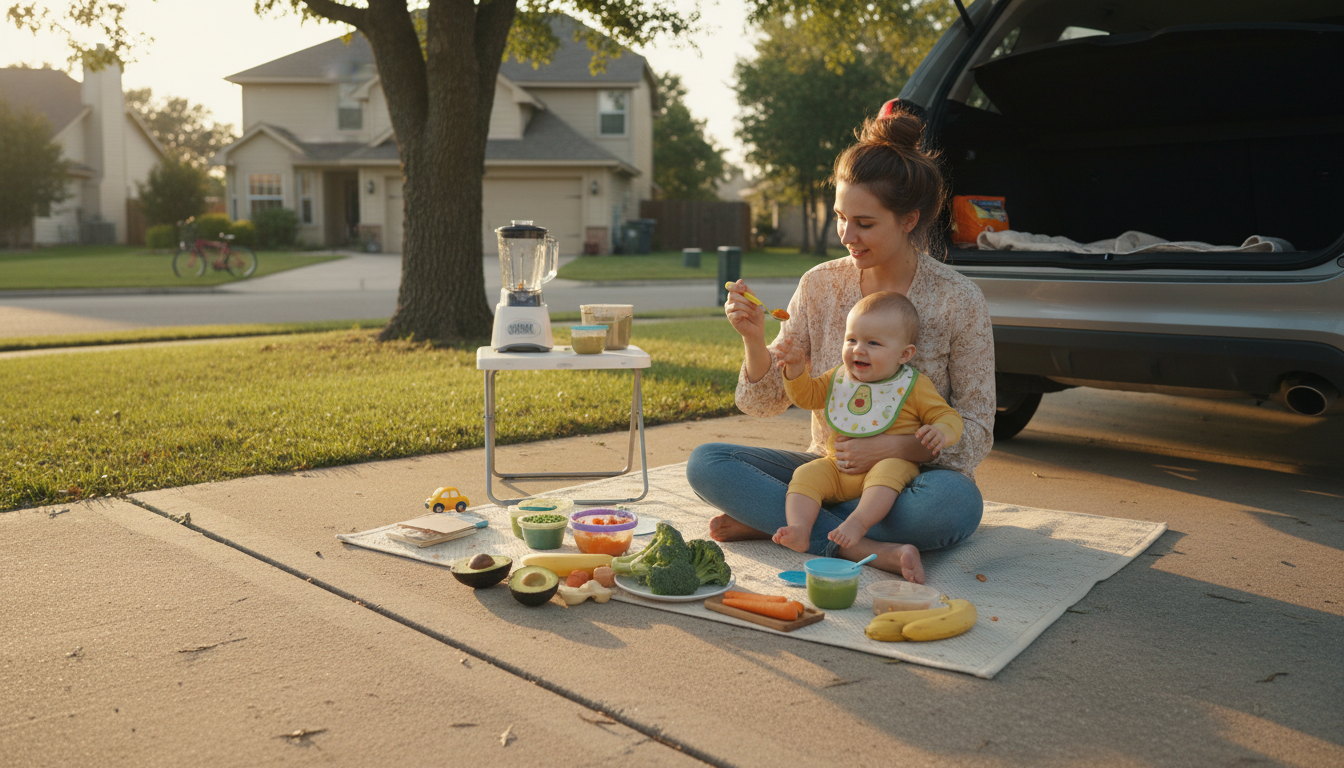
What food to give a baby at 6 months?
At around 6 months, most babies are ready to start solids while continuing breast milk or formula as their main source of nutrition. The best first foods are soft, single-ingredient options that are easy to swallow, gentle on the tummy, and rich in key nutrients like iron and zinc.
Great first foods to start with
Begin with smooth textures and simple ingredients, offering one new food at a time. Popular starter foods include iron-fortified infant cereal (oat or rice), pureed meats (chicken, turkey, beef), mashed beans or lentils, and pureed vegetables and fruits such as sweet potato, carrot, peas, avocado, banana, pear, or apple.
Focus on iron-rich choices
Iron needs increase around this age, so it helps to include iron-rich foods early. Options include pureed meats, mashed lentils, iron-fortified cereals, and well-cooked egg yolk. Pairing plant-based iron (like beans) with vitamin C foods (like pureed strawberries or broccoli) can support absorption.
How to serve and how much
Start with 1–2 teaspoons once a day, then slowly increase based on your baby’s cues. Keep textures smooth at first, then progress to thicker purees and soft mashes as your baby handles them. Always supervise meals and offer foods with a spoon (or preloaded spoon) rather than putting food into a bottle.
Foods to avoid at 6 months
Avoid honey (until age 1), cow’s milk as a drink (breast milk/formula stays primary), and choking hazards like whole grapes, nuts, popcorn, chunks of apple, or hot dog rounds. Also limit added salt and sugar, and offer water only in small sips if desired.
For a more detailed list of starter foods, textures, and safe serving ideas, visit the complete guide here.
FAQ
How do I know my baby is ready for solids?
Common signs include sitting with support, good head/neck control, bringing objects to the mouth, and showing interest in food. If your baby was born premature or has feeding concerns, check with your pediatrician before starting.








Leave a comment